What to Wear to Climb Mount Fuji: The Full 2026 Packing List
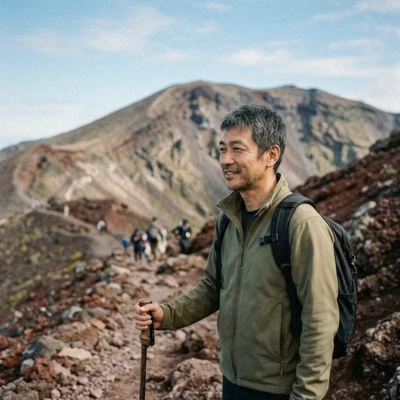
What to wear to climb Mount Fuji comes down to layers, not specialist mountaineering kit, and the short answer is a relief: most guided climbs hand you a poncho and poles, so what is really on your own list is short. The bigger change for 2026 is that the Yoshida Trail now checks your gear at the 5th-station gate before it lets you through, so packing the right layers is no longer just about comfort. Below is exactly what to wear, what to bring, what tours already provide, and what the gate will turn you away for.
Quick answer
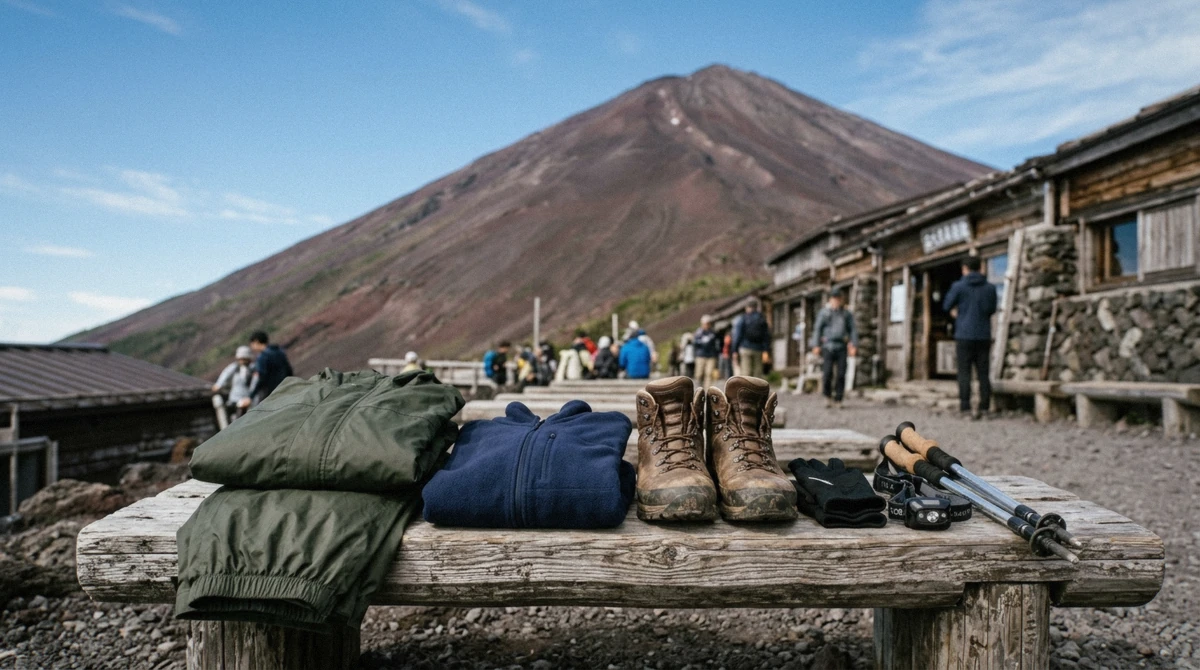
Wear a base layer, an insulating mid layer and a two-piece rain shell, with sturdy closed-toe footwear, not sneakers. Most guided climbs provide meals, transport and often gear rental; what is left on your list is a headlamp, gloves, cash for hut toilets and sun protection. The 2026 Yoshida gate can refuse entry without adequate layers and rain gear.
Key takeaways
- Tours cover meals, transport and often gear rental: check your listing before you buy anything
- Bring your own headlamp, gloves, coin stash and sun protection
- Never wear sneakers alone, jeans or a poncho: the gate checks for real rain gear in 2026
- Summit runs 5-8°C in August and drops below 0°C before sunrise with wind chill
- Closed hiking shoes or boots are the answer, sandals and street sneakers are not
- Pack heavier in early July and early September than in the August warm spell
What to Wear on Mount Fuji
Base Layer
Start with a moisture-wicking synthetic or merino t-shirt, never cotton. Cotton holds sweat against your skin and stays wet for hours once the temperature drops, which is exactly the setup that leads to a cold, miserable summit push. A quick-dry base layer under everything else lets you add or shed warmth as the trail climbs from the forested 5th station to the bare volcanic upper slopes.
Insulation
A fleece or a light synthetic-insulated jacket over the base layer handles the temperature swing between the 5th station and the 8th-station hut, where the air is noticeably thinner and colder. Pack it compressible, since you will be stuffing it into a daypack during the warmer midday stretch and pulling it back out before the pre-dawn summit push. The trail climbs from the Subaru Line 5th Station at 2,305 m to the 3,776 m summit, a 20°C+ swing from a mild Tokyo day that is exactly why layers, not one heavy coat, are the right approach.
Two-Piece Rain Shell
A proper two-piece rain jacket and rain pants, not a poncho and not an umbrella, is the named standard on Fuji, and for 2026 it is checked, not just recommended. Wind on the exposed upper mountain shreds a poncho and turns an umbrella into a liability on narrow switchbacks. The rain shell doubles as a windbreaker on the summit ridge even when it is not actually raining.
Footwear
Ankle-supporting hiking boots or sturdy trail shoes with real tread are the right call on Fuji's loose volcanic gravel, and they are what the 2026 Yoshida gear check is looking for. Sneakers alone are borderline: light trail runners with good grip can work for a fit hiker on a dry day, but slick-soled street sneakers, sandals and heels are explicitly not acceptable and can mean you are turned back at the 5th-station gate before you even start.
What to Bring
The short list that actually earns its place in your pack, each item with the reason it is there:
- Headlamp: mandatory for the pre-dawn summit push, a phone flashlight is not accepted by guides
- 2L of water minimum: hut bottled water runs ¥500 ($3) per 500ml as an altitude surcharge
- Coins for toilets: ¥200-300 per use, cash only, no card readers on the mountain
- Warm gloves: hands go numb fast on the exposed pre-dawn crater rim
- Sun protection: sunglasses and high-SPF sunscreen, UV is stronger above 3,000 m
- Trekking poles: save your knees on the loose volcanic descent, several tours rent or provide them
- Light gaiters or old socks over shoe cuffs: keeps volcanic grit out on the descent
- Cash in small bills: walking-stick branding stamps run ¥300-500 per station, cash only
- A compact first-aid kit with blister plasters: loose gravel raises blisters fast on tired feet
- Oxygen can (optional): some climbers carry one as an AMS backup, not a substitute for pacing
- Snacks with real calories: hut food is limited and priced for altitude
- A trash bag: pack out everything you bring in, there are no bins on the trail
What Guided Tours Provide (So You Don't Overpack)
Read-out: round-trip transport and meals are close to universal across these seven climbs, but gear rental varies a lot from tour to tour, and only one bundles it in for free.
| Item | Usually Provided | Bring Your Own | Notes |
|---|---|---|---|
| Round-trip transport from Shinjuku | Yes, on all seven tours | - | Coach pickup at Tochomae or Shinjuku |
| Hut stay and meals | Yes, on the six 2-day climbs | - | The 1-day climb skips the hut entirely |
| Trekking poles | Only on tour-5 | Bring your own or rent at Kawaguchiko | One of the guided climbs with gear rental includes poles free |
| Full rain/warm layer set | No, on most tours | Pack your own or rent (see table below) | Yoshida gate checks this in 2026 regardless of tour |
| Headlamp | Rarely | Always bring your own | Guides check but do not supply one |
| Drinking water | Partial, first bottle only on some tours | Carry 2L minimum | Hut refills cost ¥500 ($3) extra |
| English-speaking guide | Yes, on all seven tours | - | Multilingual on tour-5 (English, Japanese, Spanish) |
| Summit certificate | Only on tour-3 | - | See the English-guide tour |
| Trail fee (¥4,000) | No, on any tour | Pay at the 5th-station gate or online | Full breakdown in our cost guide |
What NOT to Wear or Bring
The gate-level rules for 2026, sourced from the actual Yoshida Trail gear check and standard mountain-hut restrictions:
- Sneakers with slick soles or street shoes: no real tread for volcanic gravel
- Jeans or cotton hoodies: soak through and stay cold for hours once wet
- A poncho or umbrella instead of a real rain shell: wind on the exposed upper trail tears through both
- Sandals or flip-flops: no ankle support on loose scree, a common cause of turned ankles
- Glass containers: banned in mountain huts and on the trail
The Yoshida Trail's 2026 gear check at the 5th-station gate is the one to take seriously: staff visually inspect climbers for warm layers, real two-piece rain gear and proper footwear, and inadequate gear can mean being refused passage on the spot. Every climber pays the ¥4,000 (about $25) trail fee regardless of what they are wearing: full breakdown in our cost guide: but the gear check happens on top of that, not instead of it.
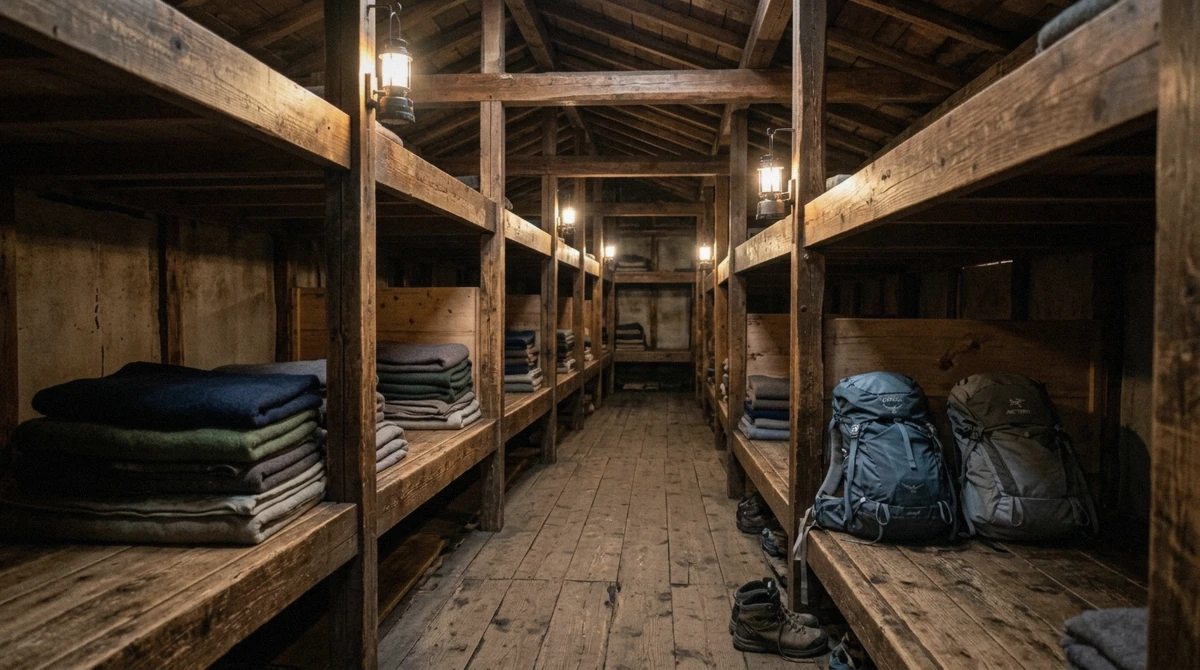
Rent or Buy? Fuji Gear Rental Prices
If you are not bringing your own layers from home, renting on the way to the mountain is the standard move, and the price gap between a full retail set and a tour-bundled set is real:
| Option | What's Included | Price (¥ / $, rate ¥158/USD as of August 2026) |
|---|---|---|
| Yamarent full 12-piece set | Jacket, pants, boots, poles, headlamp, gloves and more | ¥21,900 ($139) for 2 days, Kawaguchiko pickup |
| Tour-bundled rental set | Core layers and poles, bundled into your tour booking | About ¥14,000 ($89), cheaper than retail rental |
| Tour-5 free gear rental | Trekking poles and gear rental included at no extra cost | $0: folded into the $330 1-day climb |
| Single-item rental (rain shell only) | Two-piece rain jacket and pants | Roughly ¥5,000-7,000 ($32-44) for 2 days |
Last verified: August 2026. Yamarent's pickup point sits in Kawaguchiko, directly on the route most tours take to the 5th station, so renting there costs you no extra detour. The mechanics matter more than the address, though: reserve the set online before you travel rather than walking in, because popular sizes of boots and rain shells run out on summer weekends, and a reservation holds your sizes at the counter.
Pickup works the evening before your climb or on the morning itself if your bus stops in Kawaguchiko, and the return goes back to the same shop after your descent, so build half an hour into each end of the trip for fitting and hand-back. Tour-bundled sets skip even that step, since the gear is handed over at the meeting point. If you are already climbing with tour-5's free gear rental, skip the rental line entirely and put that budget toward the $450 flagship two-day climb instead if you would rather have the hut-stay buffer.
Packing by Month
July
Early July is the coldest window of the season: Subashiri and Yoshida open July 1 in 2026, and Fujinomiya and Gotemba follow on July 10. Snow patches can still linger near the crater in the first week. Pack your heaviest insulation layer of the season and expect summit temperatures at the low end of the 5-8°C summer range, with real wind chill before sunrise.
August
The warmest, most reliable stretch of the season, and the busiest, including the Obon holiday window of August 13-16, 2026, when huts sell out first. Daytime layers can be lighter, but the summit still drops below 0°C with wind chill before the pre-dawn goraiko wait, so the full layer system stays on the list regardless of how warm Tokyo feels.
Early September
The season closes September 10 on all four trails, and early autumn weather turns less stable in the final two weeks, with a real chance of an early cold snap or a typhoon-band storm. Pack as if for early July again: full insulation, and check the forecast closely in the days before you go. If your dates are still open, our week-by-week guide to the best time to climb Mount Fuji maps how conditions and crowds shift across the whole ten-week season.
Glasses, Contacts and Volcanic Dust
One detail almost no packing list mentions: Fuji is a bare volcanic cone, and the descent paths, especially the long sandy zigzags below the 8th station, kick up fine volcanic grit with every step. On a windy afternoon that dust hangs in the air at exactly eye level, and it finds contact lenses fast. If you wear contacts, bring a spare pair plus your glasses as a backup, and remember that washing your hands properly at a hut is not really an option: hut water is bought by the bottle at ¥500 ($3) per 500ml, and the taps you would want for lens hygiene do not exist up there. Many contact wearers simply switch to glasses for the descent.
For everyone, glasses or not, two cheap items earn their place: wraparound-style sunglasses that block wind-blown grit as well as the strong UV above 3,000 m, and a buff or light neck gaiter you can pull over your nose and mouth on the dustiest stretches of the downhill. Neither shows up at the 2026 gate check, but both are the difference between a comfortable descent and three hours of blinking grit out of your eyes.
Frequently Asked Questions
Can I wear jeans to climb Mount Fuji?
No. Jeans soak through in rain or sweat and stay cold and heavy for hours once wet, and they restrict movement on the steeper scrambling sections. Quick-dry hiking trousers are the standard choice.
Can I wear sneakers on Mount Fuji?
Light trail runners with real tread can work for a fit hiker on a dry day, but slick-soled street sneakers do not have the grip for loose volcanic gravel, and the 2026 Yoshida gate check specifically looks for proper footwear.
Do I need hiking boots for Mount Fuji?
Ankle-supporting boots are the safest choice on the loose scree of the upper trail, especially on the descent. Sturdy trail shoes with deep tread are an acceptable substitute if you are already comfortable hiking in them.
How cold is it at the summit of Mount Fuji in August?
Summit temperatures run roughly 5-8°C on an August day and drop below 0°C with wind chill during the pre-dawn wait for sunrise. Pack the full layer system even in the warmest month of the season.
Can I rent gear at the 5th station?
Rental shops like Yamarent operate at Kawaguchiko, on the route to the 5th station, rather than at the station itself, so plan to pick up rental gear before you reach the trailhead.
Do I need an oxygen can to climb Mount Fuji?
It is optional, not required. Some climbers carry a can as an altitude-sickness backup, but pacing yourself and resting at the 8th-station hut do more for altitude adjustment than a can of oxygen.
Do I need trekking poles?
They are not mandatory, but most climbers find them genuinely useful on the loose volcanic descent, where they save your knees and improve footing. Tour-5 includes them free; other tours rent them at Kawaguchiko.
What should I wear under my rain shell?
A moisture-wicking base layer topped with a fleece or light insulated jacket, the same two layers you would wear on the ascent. The rain shell goes over both as the outer layer, sealing in warmth and blocking wind on top of keeping rain out.
Will I be turned away for the wrong shoes?
On the Yoshida Trail in 2026, yes, potentially. Gate staff visually check footwear along with layers and rain gear, and sandals, heels or clearly unsuitable shoes can mean being refused passage at the 5th-station gate.