Best Time to Climb Mount Fuji: A Week-by-Week Guide
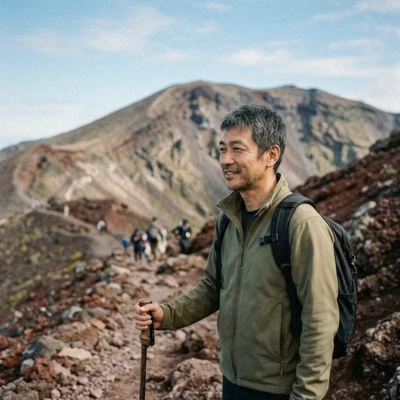
The best time to climb Mount Fuji is a weekday in mid-to-late July or in the last two weeks of August, when the trails are open, the weather has settled, and the crowds have not yet built to a weekend peak. The whole window is short: the Yoshida and Subashiri trails open July 1, 2026, and every trail closes by September 10, so there is no long shoulder season to hide in the way there is on a lower mountain. Inside those ten weeks, conditions shift enough from week to week that picking the right one matters almost as much as picking the right month, and one week in particular, Obon in mid-August, is worth planning around rather than into.
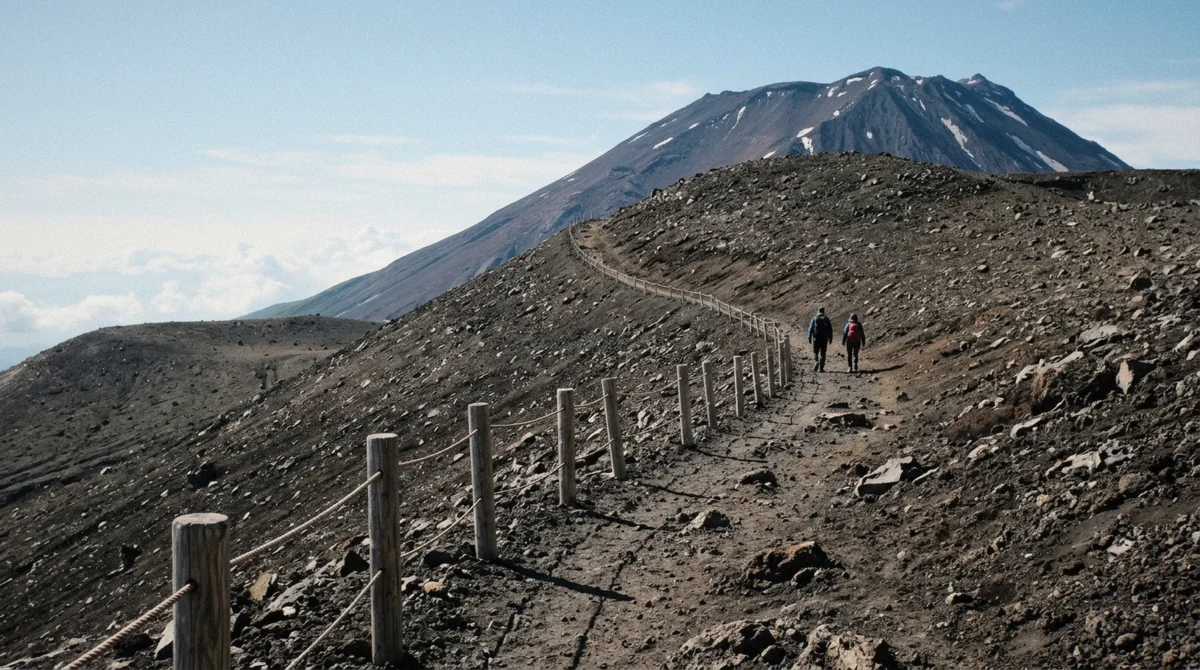
Quick answer
The best time to climb Mount Fuji is a weekday in mid-to-late July or the last two weeks of August, after the early-July snow risk has cleared and before the Obon holiday crowds arrive. Avoid August 13 to 16 (Obon) and any Saturday if you can help it.
Key takeaways
- Best window: weekday climbs from mid-July through late July, or from late August to early September
- Avoid: Obon week, August 13 to 16, 2026, the busiest and most expensive stretch of the whole season
- Weekday vs weekend is the single biggest lever: the Yoshida trail's daily cap of 4,000 climbers fills fastest on Saturdays
- Sunrise drifts from about 4:30 a.m. in early July to about 5:10 a.m. by early September, which shifts your hut departure time
- Early July carries leftover snow risk near the summit; early September carries rising typhoon risk
- The ¥4,000 (about $25) trail fee applies on every date in 2026; there is no cheaper week
The 2026 Season at a Glance
Read the Verdict column first: it is the short answer for that stretch of the calendar, with the reasoning behind it in the columns to its left.
| Period | Trail status | Weather | Crowds | Verdict |
|---|---|---|---|---|
| Early July (July 1–14) | Yoshida & Subashiri newly open; Fujinomiya & Gotemba open July 10 | Mild but leftover snow possible near the summit | Low, huts easiest to book | Good if you accept some snow risk |
| Mid-to-late July (July 15–31) | All four trails open | Most stable stretch of early summer | Building, school holidays start late July | Very good: a top pick |
| Early August (Aug 1–12) | All trails open, full facilities | Warm, generally settled | High and rising toward Obon | Good, book huts early |
| Obon week (Aug 13–16) | All trails open, cap fills daily | Warm, can be humid | Peak, the busiest week of the year | Avoid if you can |
| Late August (Aug 17–31) | All trails open | Still warm, typhoon risk starts building | Falling steadily after Obon | Very good: the insider window |
| Early September (Sept 1–10) | All trails close September 10 | Cooler, typhoon and storm risk highest of the season | Low | Good, but keep a spare day |
Two windows stand out for the combination of settled weather and manageable crowds: the second half of July and the second half of August. Everything in between and around those windows trades one advantage for another, which the sections below cover period by period.
Early July (July 1–Mid-July): First Open, Snow Risk
The Yoshida and Subashiri trails open on July 1, 2026; Fujinomiya and Gotemba follow on July 10. If a shorter opening season sounds appealing, it is, but the trade-off is real: snowmelt on the upper mountain can still be underway in the first two weeks, and in a heavy-snow year the opening date itself can slip later than planned. Huts are at their easiest to book this early, since most of Japan's summer travel has not yet started, and trails are noticeably quieter than they will be by the end of the month.
The ¥4,000 (about $25, rate ¥158/USD as of August 2026) trail fee applies to every climb across all four trails in 2026; there is no early-season discount, and no date on the calendar is fee-free. If you climb this early, pack for genuinely cold conditions near the summit and confirm with your operator or the trail's official channel that the upper section is fully clear before you commit to a date.
Late July to Early August: Peak Conditions, Building Crowds
This is the stretch most guidebooks point to, and for good reason. By the third week of July the leftover snow is gone, the weather has settled into its most reliable pattern of the summer, and every trail and hut is fully operational. The cost is crowding: Japanese school summer holidays begin in the last week of July, and by early August the trails, huts and 5th-station facilities are visibly busier every day of the week, not just on weekends.
A weekday climb in this window still delivers the best version of Fuji's summer conditions without the full weight of the crowd. Guided two-day departures ($238-$450) run through this whole period, and the most-booked two-day climb at $450 is a solid pick for anyone who would rather not chase a weekend-avoiding date on their own; huts along the route start filling by early July for the popular July and August dates.
Obon Week (August 13–16): The Week to Avoid
Obon, Japan's mid-August holiday for honoring ancestors, falls on August 13 to 16 in 2026, and it is the single most crowded and most expensive week of the entire Fuji climbing season. Millions of Japanese travelers move around the country during Obon, and a large share of them treat the holiday as their one shot at climbing Fuji that year. The Yoshida trail's daily cap of 4,000 climbers, split between 3,000 advance reservations and 1,000 same-day slots, is most likely to sell out completely during exactly these four days, and hut prices climb to their seasonal peak alongside the demand.
We would not plan a first Fuji climb around Obon week if there is any flexibility in your dates. Hut reservations for the season generally open around early May, and Obon nights are consistently among the very first to sell out, sometimes weeks ahead of the holiday itself, with prices at huts near the summit reaching the top of their ¥10,000-17,600 range on exactly these dates. If Obon is the only week that works, book your hut and, if applicable, your advance trail slot as early as possible, expect a genuinely crowded summit queue before sunrise, and read our guide to booking a mountain hut well before you travel.
Late August to September 10: The Insider Window
Once Obon passes, crowds fall away steadily through the rest of August, while the weather itself often holds nearly as well as it did in July. This is the closest thing the Fuji season has to an insider secret: settled conditions, thinner trails, and hut availability that opens back up after the Obon squeeze. Summit temperatures through this stretch still run cool, typically 5 to 8°C in daylight and capable of dropping below 0°C in the hour before dawn, so the warm-layer packing list does not relax just because the calendar has moved past the peak.
The trade-off arrives as the calendar pushes toward September: typhoon and thunderstorm risk builds through late August and peaks in the first ten days of September, right as every trail closes for the year on September 10. Out-of-season climbing in June or from mid-September into October is not a quiet budget hack: huts are closed, bus service to several 5th stations stops running, and the prefectures actively discourage climbs outside the official dates.
Weekday vs Weekend: the Biggest Lever
Month matters, but day of the week matters just as much, and it is the lever most climbers overlook. The Yoshida trail caps climbers at 4,000 per day, split between 3,000 advance bookings and 1,000 same-day slots, and Saturdays are consistently the day that cap fills first, well ahead of quieter Tuesdays or Wednesdays in the same week. A weekday climb in late July gets you closer to the empty trail most people imagine than a weekend climb in the supposedly quieter early September window does.
Weekday hut prices track the same pattern. Weekend and Obon nights sell out first and often carry a premium, while a Tuesday or Wednesday night in the same month is both easier to book and, on many huts, a little cheaper. There is a second constraint that applies every single day regardless of season: gates on all four trails close from 14:00 to 3:00 the following morning for anyone without a hut reservation, a rule introduced to stop the risky practice of climbing straight through the night without rest. Building your day around that gate window matters as much as picking the right week.
Best Time of Day: Goraiko Math
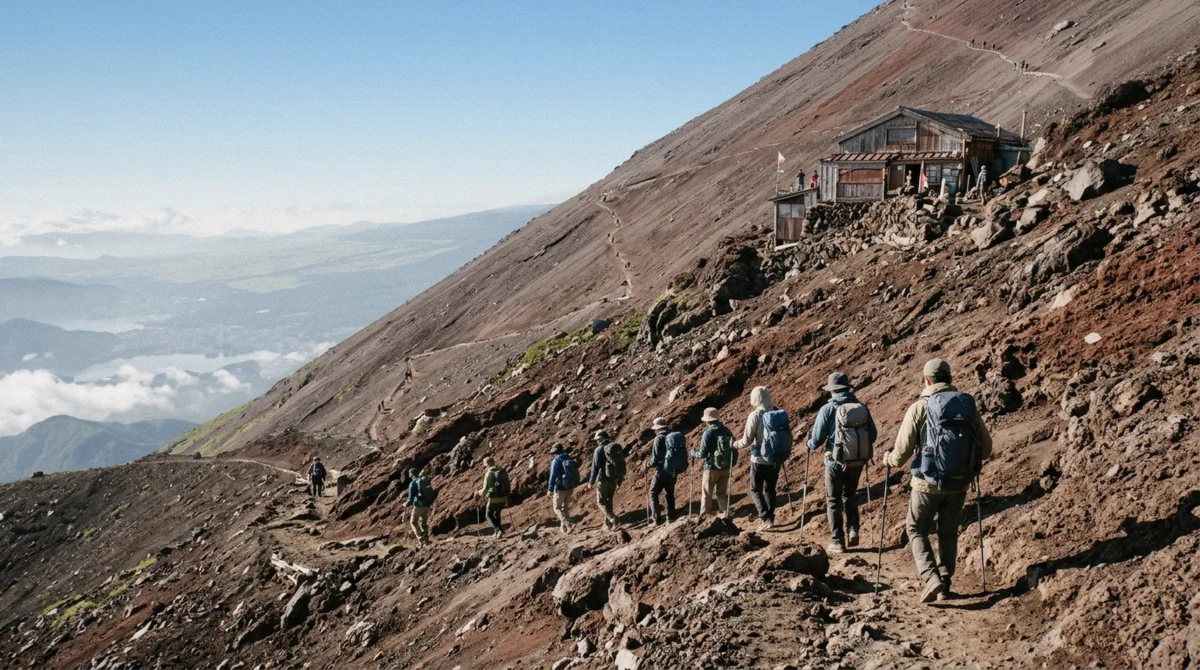
Sunrise, goraiko, moves through the season, and it changes the math for every hut departure time. In early July the sun clears the horizon around 4:30 a.m.; by early September that has drifted to roughly 5:10 a.m. A climb booked for early in the season needs an earlier wake-up and an earlier hut departure to reach the crater in time than the same climb booked for late August.
| Approximate week | Goraiko sunrise | What it means for departure |
|---|---|---|
| Early July | ~4:30 a.m. | Earliest wake-up of the season; leave the hut in full darkness |
| Late July–Early August | ~4:45–4:50 a.m. | Slightly later wake-up, still well before dawn |
| Obon–Late August | ~4:55–5:05 a.m. | Middle of the range; standard hut-stay timing applies |
| Early September | ~5:10 a.m. | Latest sunrise of the season, a small extra margin before the trail closes |
On a two-day climb with a hut stay, like the two-day sunrise climbs covered in our summit hut stay write-up or the 2-day flagship route, your guide will already have this math built into the wake-up time. On a one-day climb, the sunrise date matters more directly, since it sets the latest realistic departure time from the 5th station the night before.
What If the Weather Turns
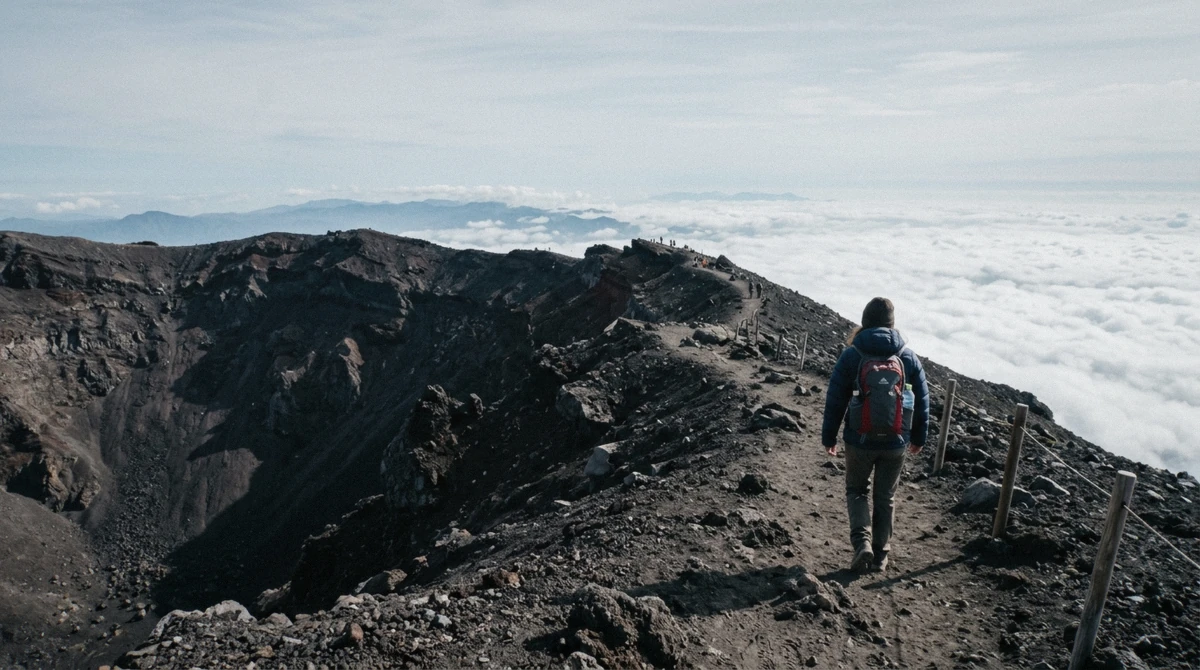
Light rain and passing cloud rarely cancel a Fuji climb outright, and most guided departures build in a genuine tolerance for both. What actually stops a climb is lightning risk, sustained high wind on exposed sections near the summit, or a named storm system tracking toward the mountain, and typhoon season overlaps directly with the tail end of the climbing calendar, building through late August and peaking in early September.
If your dates fall in that late-season window, build one spare day into your itinerary if your schedule allows it, so a single bad forecast does not force a choice between climbing in dangerous conditions and losing the trip entirely. Guided operators generally hold the group below the summit rather than push through genuinely unsafe weather, so a delayed departure is far more common than an outright cancellation. For the full picture of how weather, altitude and the 2026 rules interact, see our honest look at whether climbing Mount Fuji is safe.
So, When Should You Go?
If your dates are flexible, aim for a weekday in the second half of July or the last two weeks of August, when the trails are fully open, the weather has settled, and the crowds sit well below their Obon peak. If budget and quiet matter more than perfect conditions, a weekday in early July is a reasonable runner-up, as long as you accept a small chance of lingering snow near the summit. The one week to build your trip around avoiding is Obon, August 13 to 16, when the trail, the huts and the summit queue are all at their most crowded and expensive.
Whichever week you choose, the Mount Fuji climbing tours from Tokyo on this site run throughout the full July-to-September season, so the tour dates will not be the limiting factor.
Frequently Asked Questions
Is it better to climb Mount Fuji in early July or early September?
Early July carries a small chance of leftover snow near the summit but the quietest trails of the season. Early September has cleared snow and cooler air, but typhoon risk is at its highest, and the season closes September 10. Neither is wrong; both need a flexible attitude toward the weather.
Can I climb Mount Fuji on a weekend?
Yes, but expect a noticeably busier trail and a harder hut to book, especially on Saturdays. The Yoshida trail's daily cap of 4,000 climbers fills fastest on weekends, so a Saturday climb in late July can feel more crowded than a weekday climb in early September.
How much quieter is a weekday climb than a weekend one?
Meaningfully quieter. Weekday advance slots on the Yoshida trail's 3,000-person daily allocation are far less likely to sell out, hut beds are easier to reserve, and the trail itself moves faster with less queuing near the summit stretches.
What are the odds of a typhoon during my climb?
Typhoon and thunderstorm risk is low through July and most of August, then rises noticeably from late August into early September, right as the season closes on September 10. If your dates fall in that window, build a spare day into your plans if you can.
What time does the sun rise on Mount Fuji?
Goraiko sunrise moves through the season, from around 4:30 a.m. in early July to around 5:10 a.m. by early September. Your guide or hut will set the wake-up call to match the sunrise time for your actual climbing dates.
When do Mount Fuji huts sell out?
Saturday nights and every night of Obon week, August 13 to 16, sell out first and furthest in advance. Weekday nights in July and late August stay bookable much closer to your travel dates.
Can I climb Mount Fuji outside the official season?
It is not recommended. Outside July 1 to September 10, huts close, bus service to several 5th stations stops, mountain patrol and rescue support scale back, and the prefectures formally discourage climbing. Treat the official dates as the real boundary of the season, not a suggestion.