Is Climbing Mount Fuji Safe? Honest Answer and Who Shouldn't Go
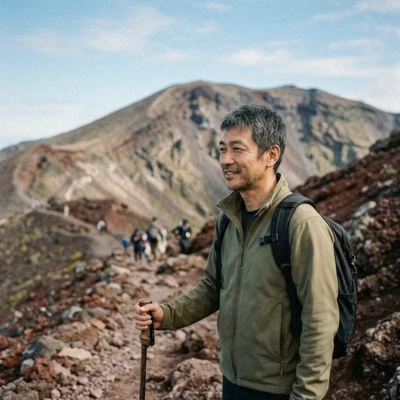
Is climbing Mount Fuji safe is a question with a genuinely reassuring answer with real conditions attached: Mount Fuji is a non-technical walk-up route in season, climbed by over 200,000 people most years, and the dangers that do exist come from altitude, cold and exhaustion rather than climbing difficulty. It is not risk-free, and it genuinely is not for everyone, pregnancy, certain heart and back conditions, and a real minimum-fitness bar all matter here. Below is the real record, what changed under the 2026 rules, altitude sickness honestly explained, and a full restrictions table pulled from actual operator policy.
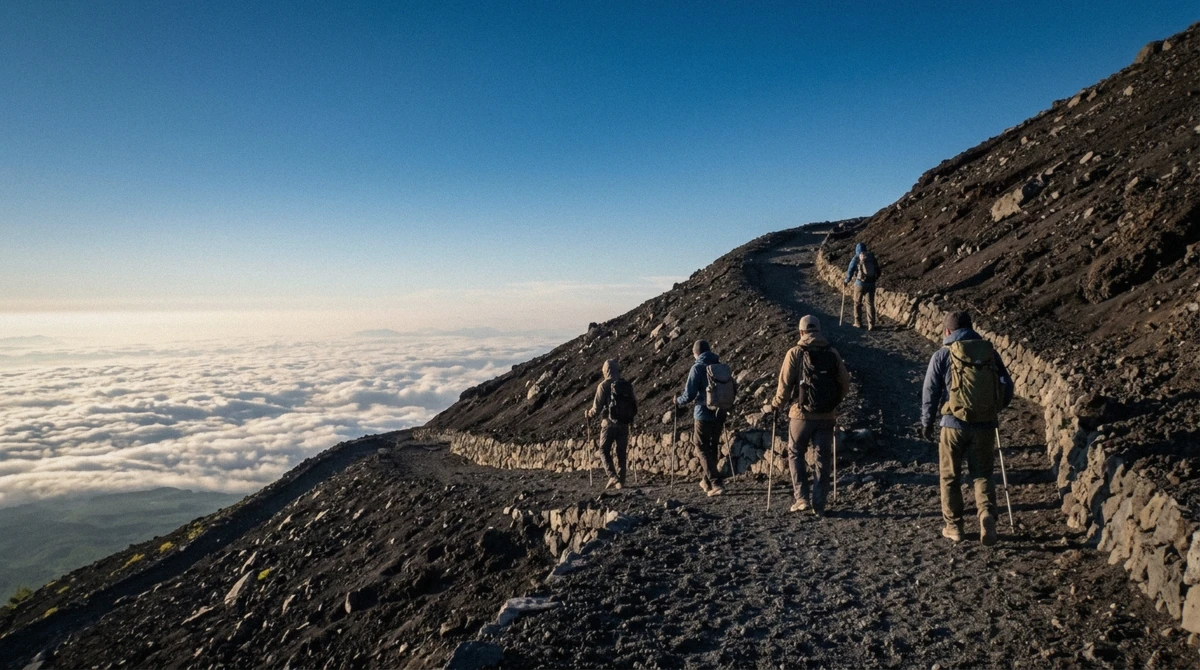
Quick answer
Climbing Mount Fuji is statistically very safe: it is a non-technical route walked by over 200,000 people most seasons, with the real dangers being altitude, cold and exhaustion rather than climbing difficulty. It genuinely isn't for everyone, and the 2026 rules exist specifically to reduce the two biggest risk factors, overcrowding and bullet climbing.
Key takeaways
- The route is non-technical; altitude, cold and exhaustion are the real risks, not terrain
- 2026 rules (fee, daily cap, gate closure, gear check) exist specifically to cut overcrowding and bullet climbing
- Altitude sickness symptoms commonly start above 3,000 meters; hut sleep at the 8th station is the best mitigation
- Pregnancy and several medical conditions are real exclusions, covered condition by condition below
- Beginners can climb it, with honest conditions about pacing and fitness, not technical skill
This guide covers activity safety on the mountain itself: altitude, weather, rules and physical restrictions. It does not cover whether Japan or Tokyo is safe to visit generally, that is a separate question best answered by your own government's official travel-advisory service, not a climbing guide.
The Safety Record: What the Numbers Say
Mount Fuji draws well over 200,000 climbers in a typical season across its four trails, a scale that puts it closer to a heavily used national-park trail than a remote alpine route. No independent body publishes a single running fatality count specific to tourist climbing seasons, and this guide will not invent one to fill that gap; what can be said plainly is that the route itself involves no technical climbing, no ropes and no exposure to a fall in the mountaineering sense. The incidents that do occur, and they do occur most seasons, are overwhelmingly altitude sickness, hypothermia and exhaustion cases, concentrated among climbers who skipped acclimatization or attempted the summit overnight without a hut stay.
That pattern is exactly why the 2026 rules exist: the fee funds safety patrols, the daily Yoshida cap of 4,000 reduces the crowding that used to strand slow climbers on narrow sections after dark, and the 14:00-3:00 gate closure now physically blocks the bullet-climbing pattern most closely linked to hypothermia and severe AMS cases in past seasons. Framed against everyday risk, a well-paced daylight ascent with a hut stay carries a level of exertion closer to a long, strenuous day hike than an expedition climb.
What Makes It Safer Now: the 2026 Rules
Five rule changes, all active for the 2026 season, and what each one is actually meant to fix:
| 2026 Rule | What It Does | Trails |
|---|---|---|
| ¥4,000 ($25) trail fee | Funds congestion control and safety patrols, first year applied uniformly | All four |
| 4,000 climbers/day cap (3,000 advance + 1,000 same-day) | Reduces overcrowding that used to strand slow climbers after dark | Yoshida |
| 14:00-3:00 gate closure | Physically blocks bullet climbing; hut guests are exempt | All four |
| Gear check at the 5th-station gate | Screens for warm layers, real rain gear and proper footwear before entry | Yoshida |
| FUJI NAVI e-learning + wristband | Mandatory short safety course before the trail issues entry | Fujinomiya, Subashiri, Gotemba |
Two of these, the gate closure and the daily cap, are the ones with the clearest safety payoff: both attack the specific pattern behind most serious past-season incidents, an exhausted, cold climber on a crowded trail after dark with no hut booked. The fee and the gear/e-learning checks work more slowly, funding patrols and catching under-prepared climbers before they start rather than intervening mid-climb, but together the five rules represent the most direct regulatory response the mountain has had in years.
Altitude Sickness, Honestly
Fuji's summit sits at 3,776 meters, and acute mountain sickness (AMS) symptoms, headache, nausea, dizziness, shortness of breath, commonly start above 3,000 meters, which on this mountain means anywhere from the 8th station upward. AMS is not rare on Fuji: the combination of a fast ascent profile and genuinely thin air at altitude catches climbers who feel fine at the 5th station and start struggling several hours later. It is honest to say this can end anyone's climb, fitness alone does not fully protect against it, and even strong hikers get turned back by it some seasons.
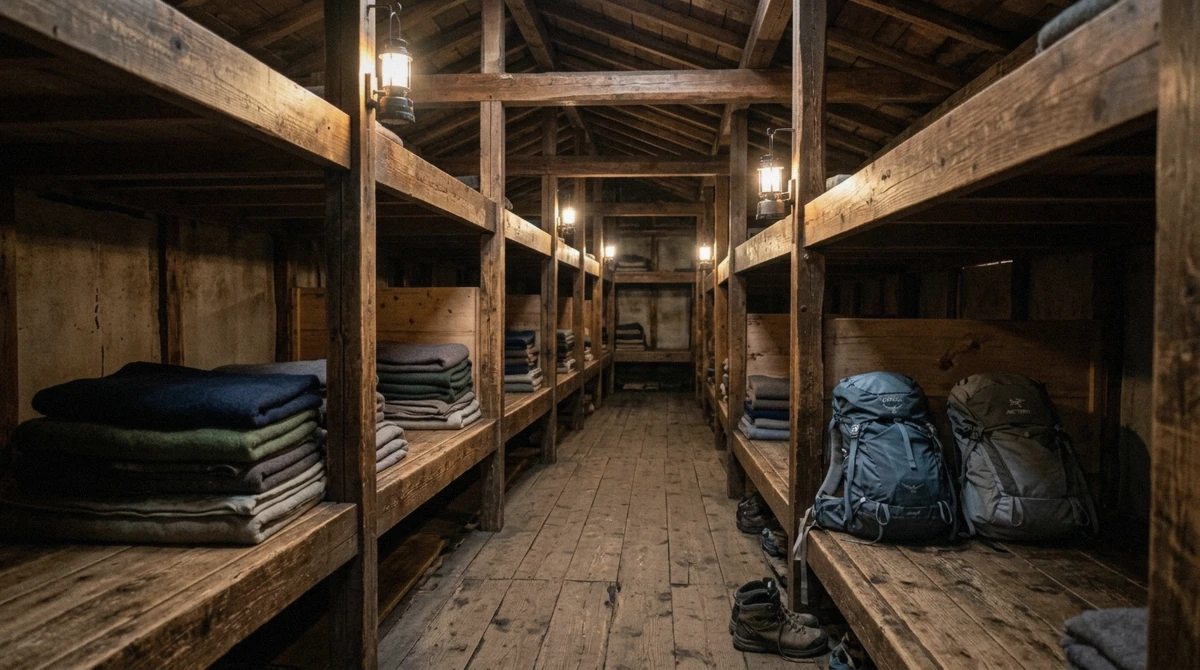
The single best mitigation is sleeping at an 8th-station hut (roughly 3,100-3,400 meters) rather than pushing straight through to the summit, which gives your body several hours to begin adjusting before the final push. Pacing matters almost as much: slow, steady steps with regular rest breaks outperform a fast push followed by a long recovery stop. An oxygen can is a reasonable backup, never a substitute for pacing or the hut-stay strategy. If symptoms worsen, a headache that will not ease, real nausea, confusion, descending is the correct call, not pushing through to the summit; altitude sickness improves as soon as you lose elevation, and it does not reliably improve any other way.
Bullet Climbing: Why It's Banned and Why It Hurt People
Bullet climbing, dashing from the 5th station straight through the night to the summit with no hut stay, used to be a common budget and time-saving tactic. It combines two of the mountain's real hazards at once: no acclimatization time before the highest, coldest section, and full exposure to overnight temperatures that regularly drop below freezing with wind chill even on an August night, all while running on no sleep. That combination is directly linked to the hypothermia and severe AMS cases that made past seasons' incident reports.
The 14:00-3:00 gate closure introduced across all four trails now physically blocks this pattern rather than just discouraging it: climbers without a hut reservation cannot pass the gate during those hours, full stop. Hut guests are exempt, since they have already committed to the overnight stay the rule is designed to enforce.
Can Beginners Climb Mount Fuji?
Yes, with honest conditions. Fuji involves no technical climbing, no ropes and no scrambling that requires prior mountaineering experience, which is why it draws so many first-time high-altitude hikers every season. The honest part is the physical ask: 1,471 meters of vertical gain from the Subaru Line 5th Station (2,305 m) to the 3,776 m summit, typically 6-8 hours ascent and 3-5 hours descent, spread over a long day or two. That is a real fitness bar, closer to a demanding full-day hike than a casual walk, even though it requires no climbing skill.
A guided pace is the honest recommendation for a first-timer: guides on these $238-$450 climbs move the group in 400-500 m altitude stints with real rest stops, which does more for a beginner's summit chances than raw fitness alone. The most-booked 2-day climb and the 8th-station rest climb are both built around that steady, paced structure rather than a race to the top; the full English-guide climb with summit certificate write-up covers the pacing in more depth.
Who Shouldn't Climb: Restrictions at a Glance
Every restriction below reflects the actual "not suitable for" guidance operators on this site publish, phrased plainly:
| Restriction | Typical Rule on Guided Climbs | Why |
|---|---|---|
| Pregnancy | Generally excluded, at any stage, if you're pregnant | Sustained exertion, altitude and long stretches without quick evacuation options |
| Minimum age | Varies by operator, generally not suited to young children | The 6-8 hour ascent and altitude exposure are demanding even for fit adults |
| Maximum age / seniors | No hard ceiling, but a real conversation with your doctor first | Altitude and sustained exertion carry more cardiovascular load with age |
| Heart problems or high blood pressure | Generally advised against without medical clearance | Altitude and exertion both add cardiovascular strain |
| Serious medical conditions | Generally excluded, case by case | Limited evacuation options above the 8th station |
| Recent surgery or serious injury | Advised against until cleared by a doctor | 6-8 hours of sustained ascent stresses a healing body |
| Mobility limitations | The route requires walking the full ascent and descent unassisted | No vehicle or lift access above the 5th station |
| Fitness level | A real minimum bar; this is not a casual walk | 1,471 m vertical gain in 6-8 hours is demanding regardless of technical skill |
If any of these apply to you, ask the operator directly before booking rather than assuming; policies and the level of medical scrutiny vary tour to tour.
What If Something Goes Wrong
Weather turns on the summit push
What happens: wind, a sudden storm, or a typhoon-band system moving through can force a stop well below the summit. What the guide does: calls off the attempt rather than push into worsening conditions, since weather-related incidents are the pattern reputable operators are trained to avoid. What you do: treat the guide's call as final, and check your specific tour's cancellation and rebooking terms before you book rather than assuming a blanket policy.
Typhoon risk in particular tracks the calendar, which our week-by-week timing guide maps across the whole season.
AMS symptoms appear at the 8th-station hut
What happens: headache, nausea or dizziness show up during the overnight stay. What the guide does: monitors symptoms and recommends descent if they worsen rather than continuing to the summit. What you do: report symptoms honestly and early, since altitude sickness responds to descent far more reliably than to waiting it out.
A climber is too slow for the group's pace
What happens: fatigue or altitude slows one climber well below the group's pace on a shared-guide tour. What the guide does: adjusts the pace where possible or, on a shared tour, may need to make a call about the group's schedule. What you do: be honest about your fitness level when booking, and consider a smaller-group option like the 1-day climb capped at nine if a fixed pace concerns you.
Safer Ways to Do It
A guided 2-day climb with a hut stay is the safer structure for nearly everyone: it builds in the acclimatization time that bullet climbing skips, and a guide handles the go/no-go weather call rather than leaving it to a solo climber under summit pressure. For crowd-averse climbers specifically, the quieter Hoei crater climb trades the busier Yoshida trail's congestion for a quieter line to the same 3,776 m summit, which reduces the bottleneck risk on narrow sections that the daily cap was partly designed to fix; see the full quiet Mount Fuji climb via Hoei crater write-up for the route detail.
Frequently Asked Questions
Has anyone died climbing Mount Fuji?
No independently published running count ties a specific fatality rate to tourist climbing seasons. What is documented is that the incidents that occur are overwhelmingly altitude sickness, hypothermia and exhaustion cases, concentrated among climbers who skipped a hut stay or attempted the mountain overnight without acclimatization, exactly the pattern the 2026 gate closure now blocks.
Can beginners climb Mount Fuji?
Yes. The route is non-technical, but it demands real fitness, 1,471 meters of vertical gain over 6-8 hours ascent. A guided, paced climb with a hut stay is the honest recommendation for a first attempt.
What is the age limit to climb Mount Fuji?
There is no universal legal age limit, but operator minimums vary, and seniors should talk to a doctor about the exertion and altitude before booking rather than assume a hard cutoff applies.
What are the odds of getting altitude sickness on Mount Fuji?
AMS symptoms, headache, nausea, dizziness, are common above 3,000 meters and not rare on Fuji given the fast ascent profile most climbers follow. Sleeping at an 8th-station hut and pacing yourself are the two biggest factors in avoiding it.
Can I climb Mount Fuji alone?
Solo climbing is legal and common, but a guided climb reduces two of the biggest risk factors, poor pacing and a missed weather call, since a guide handles both. First-timers specifically benefit from the paced structure of a guided group.
Is it safe to climb Mount Fuji out of season?
No. Outside the official season, huts close, mountain rescue support thins out, and weather turns genuinely alpine-dangerous. The 2026 season runs July 1-September 10 on Yoshida and Subashiri, July 10-September 10 on Fujinomiya and Gotemba.
Do I need an oxygen can to climb Mount Fuji safely?
No, it is optional. Pacing and a hut-stay overnight do more for altitude adjustment than a can of oxygen, which is a reasonable backup rather than a primary safety measure.
Mount Fuji is safe for nearly everyone who prepares honestly: a non-technical route, real regulation behind it, and a 2026 rule set specifically built to cut the two biggest risk patterns, overcrowding and bullet climbing. It genuinely is not for every traveler, pregnancy, certain heart conditions and a real fitness floor rule some people out, and that is worth knowing before you book rather than after. For most fit adults willing to pace themselves and sleep at a hut, the risk is manageable and the summit is a realistic goal.
Compare small-group Fuji climbing tours built around exactly that pacing before you go.